Hand Drawn Dot Frames: A Versatile Tool for Modern Creativity
In today’s fast-paced digital world, creativity is no longer confined to traditional mediums. Designers, marketers, and content creators are constantly seeking tools that offer flexibility, scalability, and aesthetic appeal. One such tool that has gained attention is Hand Drawn Dot Frames. These frames combine the organic charm of hand-drawn art with the precision of digital design, making them a valuable asset across various creative projects.
The Appeal of Hand Drawn Dot Frames
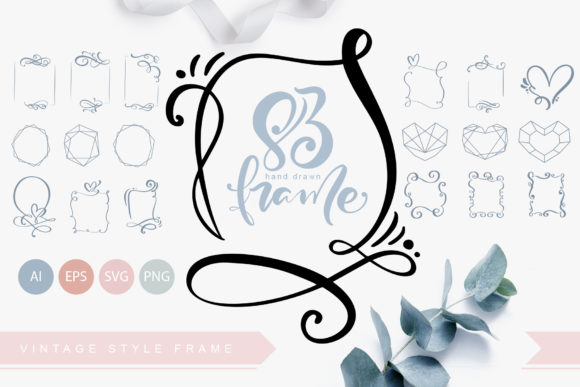
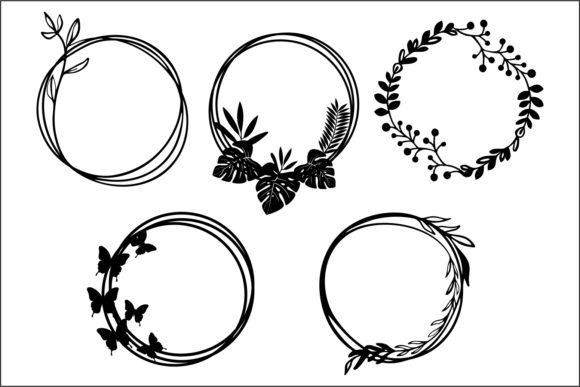
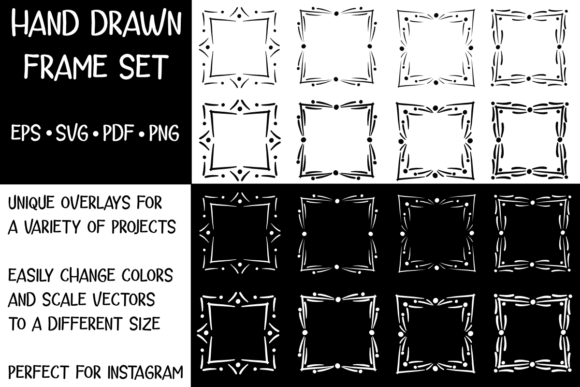
Hand Drawn Dot Frames are graphic elements composed of interconnected dots arranged in patterns that resemble hand-drawn illustrations. Unlike rigid geometric shapes, these frames have a unique, artisanal feel that can add warmth and personality to any design. They are often used as borders, overlays, or background elements in digital and print media.
What makes these frames particularly appealing is their adaptability. Whether you're designing social media graphics, packaging materials, or website headers, Hand Drawn Dot Frames can be customized to fit your needs. Their versatility allows them to blend seamlessly into both minimalist and intricate designs.
File Formats and Practical Use Cases
One of the key advantages of Hand Drawn Dot Frames is the availability of multiple file formats. The most common include SVG, EPS, PDF, and PNG. Each format serves a specific purpose:
- SVG (Scalable Vector Graphics): Ideal for web use due to its resolution-independent nature. It allows for easy scaling without loss of quality.
- EPS (Encapsulated PostScript): Perfect for high-resolution printing and professional graphic design work.
- PDF: Offers a balance between vector and raster data, making it suitable for both digital and print applications.
- PNG: Provides high-quality raster images with transparent backgrounds, useful for overlays and digital assets.
For those who prefer working with raster images, PNG files are provided in black and white. These files are approximately 3600 x 3600 pixels, which translates to a printable size of around 12 x 12 inches at 300 DPI. This makes them ideal for large-format printing, such as posters, banners, or wall art.
Why Are Hand Drawn Dot Frames Gaining Popularity?
The rise of Hand Drawn Dot Frames aligns with broader trends in design and consumer preferences. In an era where authenticity and personalization are highly valued, these frames offer a way to inject character into otherwise sterile digital environments.
Moreover, with the increasing demand for remote collaboration and digital workflows, having access to scalable and editable design elements is more important than ever. Hand Drawn Dot Frames provide this flexibility, allowing designers to modify colors, sizes, and even add custom elements with ease.
Another factor contributing to their popularity is the growing interest in hybrid design styles that merge traditional and digital aesthetics. Hand Drawn Dot Frames bridge this gap by offering the visual warmth of hand-drawn art with the technical benefits of digital design tools.
Applications Across Industries
The uses for Hand Drawn Dot Frames are diverse and span multiple industries. Here are some practical examples of how they can be applied:
- Marketing and Advertising: Used as decorative borders in promotional materials, brochures, and social media posts to create a cohesive brand identity.
- Education: Incorporated into teaching materials, presentations, and worksheets to make learning more engaging and visually stimulating.
- Interior Design: Applied as wall art or decorative elements in home decor, adding a touch of handmade elegance to modern interiors.
- Business Branding: Integrated into logos, packaging, and stationery to convey a sense of craftsmanship and uniqueness.
These frames are also popular among freelance designers and small businesses looking to stand out in competitive markets. By using Hand Drawn Dot Frames, they can create visually appealing content that resonates with audiences while maintaining a distinct brand voice.
Design Tips for Using Hand Drawn Dot Frames
To get the most out of Hand Drawn Dot Frames, consider the following tips:
- Experiment with Color: While PNG files are typically black and white, vector formats like SVG and EPS allow for easy color customization. Try different palettes to match your project's mood or brand guidelines.
- Layering Techniques: Combine Hand Drawn Dot Frames with other design elements such as textures, gradients, or photographs to create depth and visual interest.
- Scale Appropriately: Take advantage of the scalability feature of vector files to ensure your frames look sharp on all screen sizes and print resolutions.
- Use in Multiple Formats: Depending on your project's requirements, choose the most suitable file type. For example, use SVG for web-based projects and EPS for print.
By applying these strategies, you can enhance the visual impact of your designs while maintaining the integrity of the original Hand Drawn Dot Frames.
Future Outlook and Creative Possibilities
As design trends continue to evolve, the role of Hand Drawn Dot Frames is likely to expand. With advancements in AI and digital illustration tools, we may see new variations and applications emerge. However, the core value of these frames—offering a human touch in digital spaces—will remain relevant.
For creators and professionals, embracing Hand Drawn Dot Frames means tapping into a resource that balances tradition with innovation. Whether you're a marketer looking to enhance your brand visuals or an artist exploring new creative avenues, these frames provide a versatile foundation for expression.
As the demand for personalized and authentic design continues to grow, Hand Drawn Dot Frames will undoubtedly remain a staple in the toolkit of modern creatives. Their ability to adapt, scale, and inspire makes them a valuable addition to any creative project.