Email Sign Clipart: A Versatile Visual Tool for Modern Communication
In today’s digital world, visual elements play a crucial role in how we communicate and present information. Email Sign Clipart and Email Clip Art have become popular choices for individuals and businesses looking to add a personal or professional touch to their email signatures. These cliparts are more than just decorative; they serve functional purposes that enhance the overall look of an email signature while also reflecting the sender’s identity or brand.
Understanding Email Sign Clipart and Email Clip Art
Email Sign Clipart refers to small graphic images used in email signatures to represent a person, company, or idea visually. These graphics can be as simple as a stylized envelope or as complex as a custom-designed logo. Similarly, Email Clip Art is a broader category that includes various graphical elements suitable for use in emails, presentations, or other digital content.
The key difference between the two lies in their application. While Email Sign Clipart is specifically tailored for email signatures, Email Clip Art can be used in a variety of contexts, making it more versatile. Both types of clipart offer unique advantages depending on the user's needs and preferences.
Features and Characteristics of Email Sign Clipart
- High Quality: Most modern Email Sign Clipart sets are created with high resolution (often 300 dpi) to ensure clarity even when viewed up close.
- Transparent Background: Many collections come with transparent backgrounds, allowing for seamless integration into different design templates.
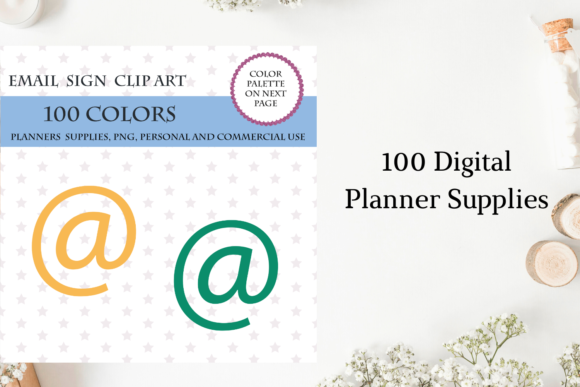
- Variety of Colors: With options like “♥ Email signs clip arts in 100 colors ♥,” users can choose from a wide palette to match their branding or personal style.
- Format Compatibility: PNG format is commonly used because it supports transparency and maintains image quality without loss.
These features make Email Sign Clipart ideal for both casual and professional use. Whether you're sending out business emails or creating promotional materials, having access to a diverse range of visuals can significantly impact your communication effectiveness.
Where Can You Use Email Sign Clipart?
The applications of Email Sign Clipart are vast and varied. Here are some common scenarios where these visuals prove particularly useful:
- Business Emails: Adding a subtle icon next to your contact information can help recipients remember who they’re communicating with.
- Social Media Profiles: Many platforms allow for profile pictures or header images that incorporate similar visual elements.
- Presentations and Reports: Including relevant icons in slides or documents can break up text and make information easier to digest.
- Marketing Materials: From newsletters to flyers, incorporating eye-catching graphics can increase engagement and recall.
By strategically placing Email Sign Clipart within these formats, users can create more engaging and memorable content that stands out from the crowd.
Who Benefits from Using Email Sign Clipart?
A wide array of individuals and organizations can benefit from using Email Sign Clipart. This includes:
- Professionals: Lawyers, consultants, and other professionals often use personalized email signatures to reinforce their brand identity.
- Business Owners: Entrepreneurs looking to build a strong online presence find value in incorporating consistent visual elements across all communication channels.
- Creative Individuals: Designers, artists, and writers appreciate the flexibility offered by various clipart styles that align with their creative vision.
- Students and Educators: Teachers may use themed icons to engage students, while students might include academic-related symbols in their correspondence.
Regardless of profession or purpose, there's always room for creativity when it comes to enhancing digital communications through visual elements.
Strengths and Considerations When Choosing Email Sign Clipart
While Email Sign Clipart offers numerous benefits, it's important to consider several factors before selecting a particular set:
- Relevance: Ensure that the chosen images align with the message or theme of your communication.
- Clarity: Avoid overly detailed images that might appear cluttered when reduced in size.
- Licensing: Always check licensing agreements to confirm whether commercial use is permitted.
- File Size: Large files can slow down loading times, so opt for optimized versions whenever possible.
Considering these aspects ensures that your use of Email Sign Clipart remains effective and efficient across all intended platforms.
Real-World Applications and Examples
To better understand how Email Sign Clipart works in practice, let's explore a few real-world examples:
- Personal Branding: An independent freelancer might use a minimalist icon representing their field (e.g., a paintbrush for an artist) alongside their contact details.
- Corporate Identity: A marketing team could implement branded icons in every member's email signature to maintain consistency across client interactions.
- Educational Institutions: Schools might use themed icons related to subjects taught at the institution to foster a sense of community among students and staff.
These examples illustrate how Email Sign Clipart can be adapted to suit different needs and contexts effectively.
Evaluating Suitability for Different Needs
Before finalizing your choice of Email Sign Clipart, evaluate what best suits your specific requirements. Ask yourself questions such as:
- What is the primary goal of including this visual element?
- Who will be viewing my communications?
- How does this image contribute to the overall message I want to convey?
- Are there any potential drawbacks or limitations associated with this particular design?
By critically assessing these points, you'll be able to select the most appropriate Email Sign Clipart that enhances rather than detracts from your intended message.
In conclusion, Email Sign Clipart and Email Clip Art provide valuable tools for anyone looking to elevate their digital communication efforts. By understanding their features, applications, and considerations, users can harness these resources effectively to create compelling and visually appealing messages that resonate with their audience.