WiFi Clip Art, WiFi Clipart, Wireless I: A Practical Guide for Designers and Creators
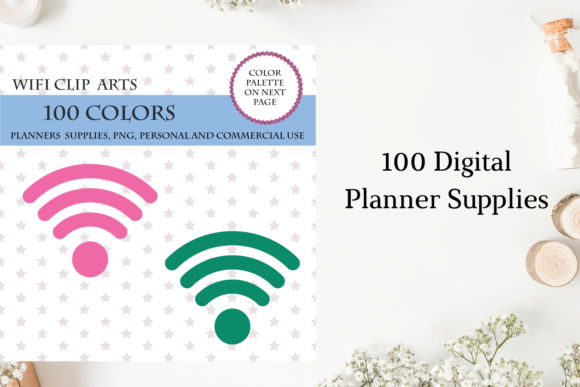
For designers, educators, and digital content creators, having access to high-quality visual assets is essential. WiFi Clip Art, WiFi Clipart, Wireless I offers a versatile collection of 100 unique clipart images in PNG format, each representing a different color variation of the WiFi signal icon. These assets are designed to fit seamlessly into various design workflows, from presentations and marketing materials to educational resources and branding projects.
Understanding the Value of WiFi Clip Art
The WiFi Clip Art, WiFi Clipart, Wireless I set includes 100 individual PNG files, each measuring 10 inches by 10 inches with a transparent background. The high resolution (300 dpi) ensures that these images remain crisp and clear when used in print or digital formats. The absence of watermarks makes them ideal for commercial use, while the transparent background allows for easy integration into any design project without the need for additional editing.
These cliparts are particularly useful for professionals who work with technology themes, such as IT consultants, web developers, and digital marketers. They can be used to illustrate connectivity concepts, highlight wireless features, or serve as icons in user interfaces and infographics.
Integrating WiFi Clip Art into Your Workflow
Before starting a design project, consider how these cliparts might enhance your visuals. For instance, if you're creating an infographic about internet services, including multiple variations of the WiFi icon can add visual interest and clarity. This approach helps viewers quickly understand the theme and context of the content.
During the design process, these PNGs can be layered with other elements to create cohesive compositions. Whether you're designing a presentation slide, a social media graphic, or a website banner, the transparent background ensures that the WiFi icons blend naturally with your existing design elements.
After finalizing your design, it's important to review how well the cliparts contribute to the overall message. If the visuals are intended for print, ensure that the resolution remains consistent across all outputs. For digital use, test the cliparts on different screen sizes and resolutions to confirm their adaptability.
Practical Implementation Tips
- Organize Your Files: Store the 100 PNGs in a clearly labeled folder. Group them by color or usage to streamline your workflow and avoid confusion during the design phase.
- Use Vector-Based Tools: When incorporating these cliparts into vector-based software like Adobe Illustrator, make sure to import them as separate layers to maintain scalability and flexibility.
- Batch Processing: If you plan to use multiple colors of the WiFi icon in one project, consider using batch processing tools to apply consistent effects, such as drop shadows or outlines, across all images.
Compatibility and Usability
The PNG format ensures compatibility with most design and publishing platforms, including Photoshop, Canva, PowerPoint, and InDesign. The 300 dpi resolution also makes these cliparts suitable for both digital and print media, eliminating the need for separate versions of the same image.
Since each color variation is provided as an individual file, users have the flexibility to choose the most appropriate shade for their project. This feature is especially valuable for designers who want to match the WiFi icon with brand colors or specific design palettes.
For educators and content creators, the transparency of the background allows these cliparts to be easily embedded into slides, worksheets, or online courses without disrupting the layout or readability of the surrounding text.
Long-Term Use and Quality Control
When planning for long-term use, consider how often these cliparts will be accessed or modified. Storing them in a centralized digital asset management system can help keep track of versions and ensure consistency across projects.
Regularly reviewing the quality of the images, especially after multiple edits, is crucial. Although the original files are high-resolution, repeated resizing or layering may affect the clarity of the final output. Always work with the highest quality source files to maintain the integrity of the design.
Workflow Examples
Imagine you're developing a presentation on network infrastructure for a business meeting. You can use the WiFi Clip Art, WiFi Clipart, Wireless I set to visually represent different aspects of wireless connectivity. By selecting various colors, you can differentiate between Wi-Fi signals, Bluetooth connections, and mobile networks within the same slide.
Another example involves creating a social media campaign focused on smart home devices. Using the WiFi icons in multiple shades can help emphasize the variety of connectivity options available, making the content more engaging and informative for the audience.
If you're an educator preparing a lesson on digital communication, integrating these cliparts into your slides or handouts can simplify complex concepts and make them more relatable to students.
Conclusion
The WiFi Clip Art, WiFi Clipart, Wireless I collection provides a practical and efficient solution for designers, educators, and content creators looking to incorporate high-quality visual elements into their work. With its versatility, ease of use, and professional-grade quality, this resource supports a wide range of creative applications and workflow needs.
By understanding how to integrate these cliparts into your design process, you can enhance your projects with visual clarity and professionalism. Whether you're working on a marketing campaign, an educational resource, or a personal project, the WiFi Clip Art, WiFi Clipart, Wireless I set is a valuable addition to your digital toolkit.