Transform Your Space with Living Room Decorative Furniture and Custom Design Files
Living room decorative furniture plays a pivotal role in defining the aesthetic and functional value of a home. It is more than just an arrangement of pieces; it's about creating a space that reflects personal style, enhances comfort, and invites conversation. Whether you're looking to revamp your living area or simply add a few finishing touches, the right decorative elements can make all the difference. In this article, we'll explore how to effectively use decorative furniture in your living room and introduce you to a versatile set of design files that can elevate your creative projects.
The Role of Decorative Furniture in Interior Design
Decorative furniture serves as the backbone of interior design, offering both form and function. Unlike standard furniture, which focuses on utility, decorative pieces are designed to enhance visual appeal and create a unique atmosphere. From statement chairs and ornate coffee tables to intricate wall art and decorative cushions, each item contributes to the overall ambiance of the room.
One of the key advantages of incorporating decorative furniture is its ability to reflect individuality. While mass-produced furniture often follows trends, custom or handcrafted pieces allow for greater personal expression. This is where digital design files come into play, providing creators with the tools needed to produce bespoke items tailored to specific needs and preferences.
Types of Decorative Furniture for Living Rooms
There are numerous types of decorative furniture that can be used to transform a living room. Some popular options include:
- Accent Chairs: These chairs serve as focal points and can be styled with unique patterns, textures, or colors.
- Decorative Coffee Tables: Often featuring intricate carvings or unusual materials, these tables add a touch of elegance to any living space.
- Wall Art and Mirrors: These items not only add visual interest but also help to create a sense of depth and dimension in a room.
- Ornamental Lighting Fixtures: Chandeliers, floor lamps, and table lamps can dramatically change the mood of a room with their lighting effects.
- Textile Accents: Throw pillows, blankets, and rugs can add texture and color while enhancing comfort.
Each of these elements can be customized using high-quality design files, allowing for precise control over size, shape, and detail. This level of customization is especially valuable for professionals such as interior designers, artists, and crafters who require exact specifications for their projects.
Design Files: A Powerful Tool for Creative Projects
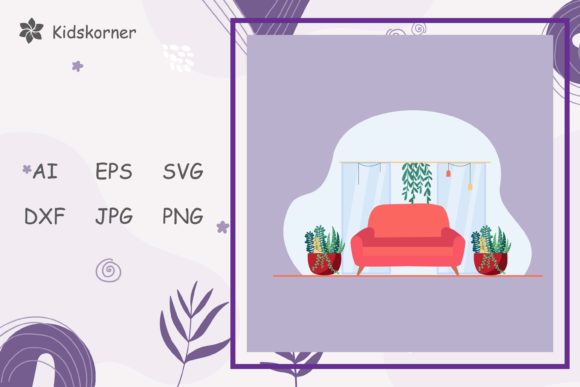
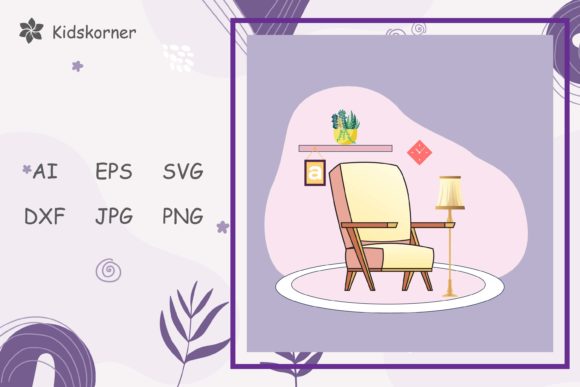
For those involved in design, whether professionally or as a hobby, having access to comprehensive digital files is essential. The WHAT YOU GET package includes six different file formats—AI, EPS, SVG, DXF, JPG, and PNG—each serving a unique purpose in the creative process. These files are optimized for various applications, from print to digital media, ensuring versatility and adaptability.
The canvas size of 3000px X 2000px provides ample space for detailed work, making it ideal for large-scale projects such as banners, posters, or even custom furniture designs. The AI file format is particularly useful for vector-based editing, allowing for scalability without loss of quality. Similarly, the EPS format ensures compatibility with professional printing equipment, while SVG and DXF files are well-suited for web and CNC machine applications respectively.
Practical Use Cases for Each File Format
Understanding the strengths of each file format can help users make the most of their design resources. Here's a breakdown of practical use cases:
- AI (Adobe Illustrator): Best suited for graphic designers who need to edit complex illustrations and logos with precision.
- EPS (Encapsulated PostScript): Ideal for high-resolution printing, especially when working with professional printers or publishers.
- SVG (Scalable Vector Graphics): Perfect for web-based projects, including animations, icons, and responsive graphics.
- DXF (Drawing Exchange Format): Commonly used in CAD software for engineering, architecture, and manufacturing applications.
- JPG (Joint Photographic Experts Group): Suitable for photographs and images that require compression for web use.
- PNG (Portable Network Graphics): Excellent for images with transparent backgrounds, such as logos or illustrations.
By leveraging these formats, users can seamlessly integrate their designs into various platforms and mediums, ensuring consistency and quality across all outputs.
Why Choose High-Quality Design Files?
In today’s digital age, having access to high-quality design files is crucial for anyone involved in creative work. These files offer a level of flexibility and precision that is difficult to achieve with other methods. For instance, a designer working on a custom piece of furniture may need to adjust dimensions or incorporate intricate details that are only possible with vector-based formats like AI or EPS.
Moreover, the ease of editing provided by these files allows for quick iterations and modifications, which is especially beneficial for professionals who need to meet tight deadlines or accommodate client feedback. The ability to scale designs without compromising quality is another major advantage, ensuring that the final product meets the highest standards.
For hobbyists and educators, these files also serve as valuable learning tools. They provide an opportunity to experiment with different design techniques and understand the nuances of various file formats. This hands-on experience can significantly enhance one’s skills and knowledge in the field of design.
Considerations When Using Design Files
While the benefits of using high-quality design files are clear, there are several considerations to keep in mind. First, it's important to ensure that the software being used supports the required file formats. For example, if you're working with SVG files, you’ll need to use compatible design software or online tools that can handle vector graphics.
Another consideration is the resolution and clarity of the files. While the provided canvas size offers excellent detail, it's always a good idea to verify that the files meet the specific requirements of your project. If you're planning to print the design, for instance, you should ensure that the resolution is high enough to prevent pixelation or blurriness.
Lastly, it's worth noting that some file formats may have limitations in terms of compatibility. For example, while PNG files support transparency, they may not be suitable for certain types of print jobs. Understanding these limitations can help you choose the most appropriate format for your needs.
Thank you for visiting my product. With the WHAT YOU GET package, you receive everything you need to bring your creative vision to life. Whether you're a professional designer, a hobbyist, or someone looking to enhance your living space, these design files offer a powerful tool for achieving exceptional results. Explore the possibilities and discover how these files can transform your projects and spaces alike.