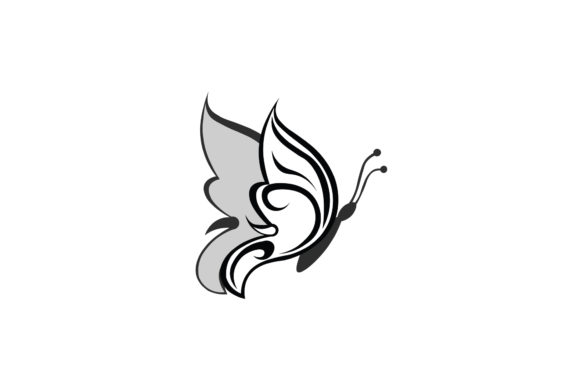
Decorative Butterfly Vector: A Versatile Tool for Creative Design
The Decorative Butterfly Vector is a digital illustration format that has gained immense popularity among designers, artists, and content creators. As a scalable vector graphic, it offers high-quality visuals that remain crisp and clear at any size, making it ideal for a wide range of applications. Whether you're working on branding materials, website designs, or print projects, the Decorative Butterfly Vector provides an elegant and eye-catching element that can elevate your work.
Understanding the Decorative Butterfly Vector
A Decorative Butterfly Vector is essentially a digital image of a butterfly created using vector graphics software such as Adobe Illustrator or Inkscape. Unlike raster images, which are made up of pixels, vectors use mathematical equations to define shapes and lines, allowing them to scale without losing quality. This makes the Decorative Butterfly Vector particularly useful for both digital and print media.
These vectors often feature intricate details, vibrant colors, and stylized patterns that make them stand out. They can be customized easily, allowing users to adjust colors, sizes, and even add additional elements like wings or backgrounds. This flexibility makes them a favorite among designers looking to create unique and personalized visuals.
Challenges and Goals in Using Decorative Butterfly Vectors
While the Decorative Butterfly Vector is a powerful tool, there are several challenges that users may face. One common issue is selecting the right design that complements the overall theme or brand identity. With so many options available, it can be overwhelming to choose the most appropriate one.
Another challenge is ensuring that the vector remains consistent across different platforms and mediums. For instance, a decorative butterfly that looks stunning on a website might not translate well to a printed brochure if not optimized correctly. Additionally, some users may lack the technical skills needed to edit or manipulate vector files effectively.
Despite these challenges, the goals of using Decorative Butterfly Vectors are clear: to enhance visual appeal, convey a sense of elegance or transformation, and create engaging content that resonates with audiences. These goals align well with various industries, including fashion, marketing, education, and interior design.
How Decorative Butterfly Vectors Can Help Address Common Situations
For businesses looking to build a strong brand identity, incorporating a Decorative Butterfly Vector into logos, packaging, or promotional materials can create a memorable and visually appealing presence. The butterfly symbolizes transformation and beauty, making it a great choice for companies in the wellness, beauty, or personal development sectors.
Designers and content creators can also benefit from using Decorative Butterfly Vectors in web design projects. These vectors can be used as background elements, icons, or illustrations within websites, helping to create a cohesive and aesthetically pleasing layout. Their scalability ensures that they look sharp on all screen sizes, from mobile devices to large monitors.
In educational contexts, the Decorative Butterfly Vector can serve as an engaging visual aid. Teachers and educators can use these vectors in presentations, worksheets, or interactive learning modules to capture students' attention and make complex topics more relatable.
Practical Applications and Outcomes
The versatility of Decorative Butterfly Vectors allows them to be used in a variety of practical applications. Here are a few examples:
- Branding and Marketing: Incorporating a Decorative Butterfly Vector into logos, business cards, or social media posts can help create a cohesive brand image that stands out from competitors.
- Interior Design: These vectors can be used in digital mockups for home decor projects, such as wall art, cushions, or decorative panels.
- Event Planning: Event planners can use Decorative Butterfly Vectors in invitations, banners, or signage to create a whimsical and elegant atmosphere.
- Educational Materials: Teachers can use these vectors in classroom materials, lesson plans, or digital presentations to make learning more engaging and interactive.
The outcomes of using Decorative Butterfly Vectors can vary depending on the context and application. However, the general result is a more visually appealing and professional-looking project that resonates with the target audience.
Examples, Recommendations, and Useful Considerations
To get started with using Decorative Butterfly Vectors, consider the following recommendations:
- Choose the Right Style: Select a vector that matches the tone and style of your project. For example, a minimalist butterfly might be suitable for a modern website, while a more ornate design could work well for a luxury brand.
- Customize Colors: Many Decorative Butterfly Vectors allow for color customization. Experiment with different color schemes to find one that complements your overall design.
- Optimize for Different Mediums: Ensure that the vector is optimized for its intended use. If it's for print, check that the resolution and file format are suitable. For digital use, ensure that the file is compressed appropriately without losing quality.
- Use Vector Editing Tools: If you're not familiar with vector editing software, consider using online tools or tutorials to learn how to manipulate and customize the vector effectively.
It's also important to consider the licensing terms of the Decorative Butterfly Vector you choose. Some vectors are free for personal use but require attribution or payment for commercial use. Always review the license agreement before using any vector in a professional project.
Different Approaches to Using Decorative Butterfly Vectors
Depending on the user's experience level and project requirements, different approaches can be taken when working with Decorative Butterfly Vectors. Beginners may start by using pre-designed vectors from stock marketplaces, while more experienced designers might prefer creating their own custom vectors from scratch.
Some users may focus on using the vector as a standalone element, while others may integrate it into larger compositions or animations. Regardless of the approach, the key is to ensure that the Decorative Butterfly Vector enhances the overall design rather than overpowering it.
By understanding the potential of Decorative Butterfly Vectors and exploring their various applications, users can unlock new creative possibilities and achieve professional results that meet their specific needs and goals.