Decorative Blue Flowers: A Guide to Their Beauty, Meaning, and Uses
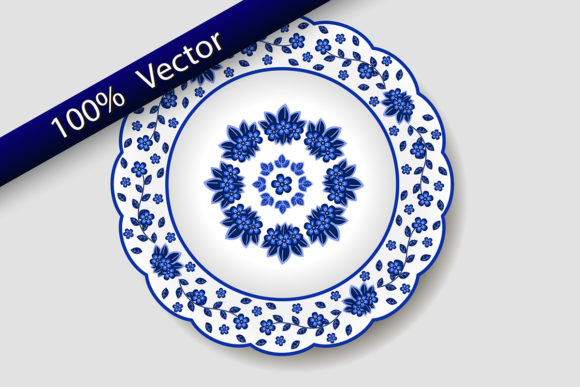
Decorative blue flowers have long captured the imagination of gardeners, artists, and interior designers alike. Their unique hue adds a calming and sophisticated touch to any space, whether it's a garden bed or a living room. In this article, we'll explore what makes decorative blue flowers special, their symbolism, and how they can enhance your surroundings in both practical and aesthetic ways.
The Allure of Blue Flowers
Blue is a color that evokes feelings of serenity, calmness, and trust. When applied to flowers, these emotions are amplified, making blue-flowered plants highly sought after for both indoor and outdoor use. However, finding true blue flowers in nature is quite rare, as most blue-hued blooms are actually shades of purple, violet, or even pink with a blue tint. This natural occurrence has led to the development of various cultivars and hybrids designed to achieve a more vibrant blue color.
Popular Types of Decorative Blue Flowers
- Delphiniums: These tall, spiky flowers come in a range of blue tones, from pale sky blue to deep indigo. They are often used in gardens and floral arrangements.
- Cornflowers: Known for their bright blue petals, cornflowers are easy to grow and add a pop of color to any garden.
- Bachelor's Buttons: These small, daisy-like flowers are commonly found in blue shades and are popular in dried flower arrangements.
- Hydrangeas: While not naturally blue, certain hydrangea varieties can be dyed to achieve a striking blue hue, making them a favorite among flower enthusiasts.
The Symbolism of Blue Flowers
Throughout history, blue flowers have been associated with various meanings and symbols. In many cultures, blue represents loyalty, wisdom, and confidence. In Victorian times, blue flowers were often used to convey messages of devotion and sincerity. Today, blue flowers continue to carry these symbolic meanings, making them a popular choice for gifts and special occasions.
Blue Flowers in Different Cultures
In Japan, blue chrysanthemums are considered a symbol of elegance and refinement. In Western cultures, blue flowers are often used in weddings to signify purity and faithfulness. Understanding the cultural significance of blue flowers can help you choose the right type for your needs, whether it's for a gift, decoration, or personal enjoyment.
Using Decorative Blue Flowers in Modern Life
With their calming presence and visual appeal, decorative blue flowers have found a place in many aspects of modern life. From home decor to commercial spaces, these flowers offer a versatile and stylish option for adding color and personality to any environment.
Interior Design with Blue Flowers
In interior design, blue flowers can be used to create a soothing atmosphere in living rooms, bedrooms, and offices. They pair well with neutral colors like white, gray, and beige, allowing the blue flowers to stand out while maintaining a sense of balance. Whether placed in vases on coffee tables or incorporated into wall art, blue flowers can elevate the overall look of a space.
Gardening with Blue Flowers
For those who enjoy gardening, planting blue flowers can transform an ordinary garden into a serene oasis. These flowers are perfect for creating a cohesive color scheme, especially when paired with other cool-toned plants like lavender and lilacs. Additionally, many blue-flowered plants are low maintenance, making them ideal for both novice and experienced gardeners.
Common Misconceptions About Blue Flowers
Despite their popularity, there are several misconceptions about blue flowers that may prevent people from incorporating them into their lives. One common belief is that blue flowers are difficult to grow. While some varieties may require specific care, many blue-flowered plants are actually quite hardy and adaptable to different climates and soil types.
Another misconception is that blue flowers are only suitable for certain seasons or occasions. In reality, blue flowers can be enjoyed year-round, especially when using preserved or dried versions. These can be used in wreaths, bouquets, and other decorative displays throughout the year.
How to Care for Blue Flowers
Caring for blue flowers is similar to caring for other flowering plants. Most require well-drained soil, adequate sunlight, and regular watering. It's important to avoid overwatering, as this can lead to root rot. Fertilizing your blue flowers during the growing season can also help promote healthy growth and vibrant blooms.
Blue Flowers in Art and Creativity
Blue flowers have inspired countless artists, writers, and creatives throughout history. Their unique color and form make them a popular subject in paintings, photography, and even literature. In modern times, blue flowers continue to be a source of inspiration for artists looking to capture the essence of tranquility and beauty in their work.
Blue Flowers in Floral Arrangements
In the world of floral design, blue flowers are prized for their ability to add depth and dimension to arrangements. When combined with other colors, they can create visually stunning compositions that evoke a sense of harmony and balance. Whether used in wedding bouquets, funeral arrangements, or seasonal displays, blue flowers bring a unique charm to any floral creation.
Technology and the Future of Blue Flowers
Advancements in horticultural technology have made it easier than ever to cultivate and maintain blue flowers. Through selective breeding and genetic modification, scientists have developed new varieties that exhibit more vivid and consistent blue hues. These innovations have expanded the availability of blue flowers, making them more accessible to a wider audience.
Additionally, digital tools and online platforms have made it easier for people to learn about and purchase blue flowers. From virtual gardening guides to online marketplaces, technology continues to play a role in shaping the way we interact with and appreciate decorative blue flowers.
Conclusion
Decorative blue flowers offer a unique blend of beauty, symbolism, and versatility that makes them a valuable addition to any space. Whether you're a gardener, artist, or simply someone who appreciates the aesthetics of nature, blue flowers provide endless opportunities for creativity and expression. By understanding their meaning, care requirements, and uses, you can incorporate these stunning blooms into your life in meaningful and beautiful ways.